
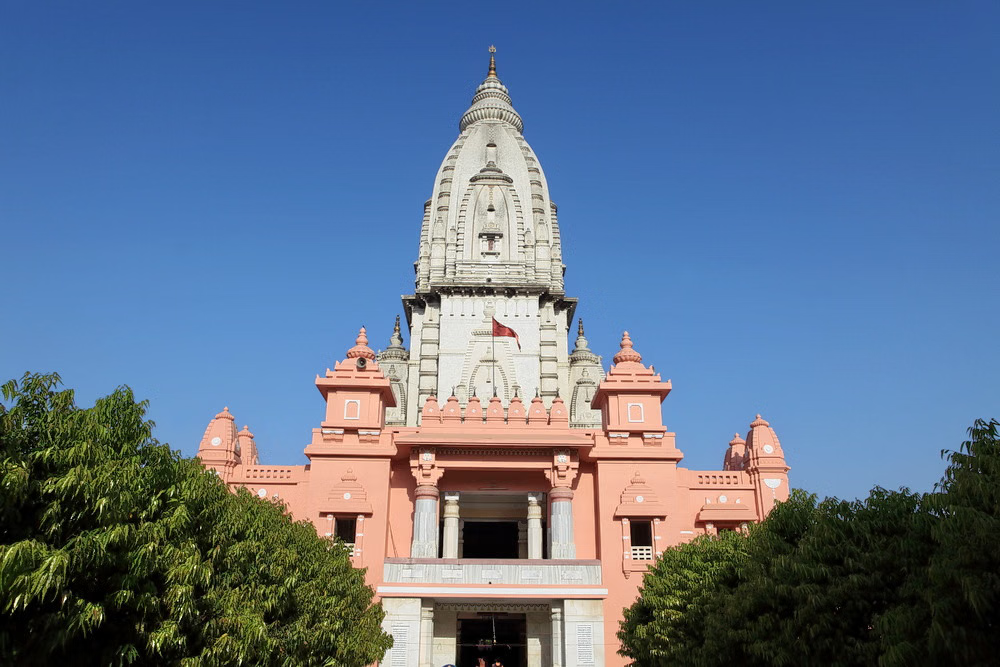
One of the oldest, richest, and holiest shrines of India is located in the sacred city of Varanasi and is known as Shri Kashi Vishwanath Temple. Named Kashi, due to the ancient name of Varanasi, the glorious temple commemorates the mighty Lord Shiva and is a part of the 12 Jyotirlingas.
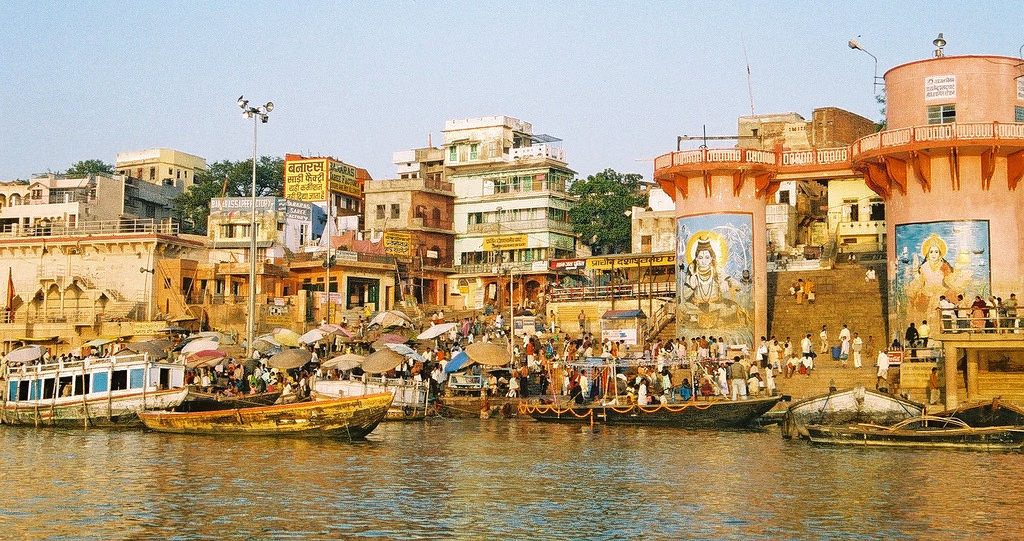
Dashashwamedh Ghat is known for conducting the liveliest aartis along the holy river Ganga to immerse the visitors into divine bliss. A prominent member of the tourist attractions in Varanasi, Dashashwamedh Ghat, got its name due to the legend of Lord Brahma sacrificing 10 horses, or das Ashwamedh.
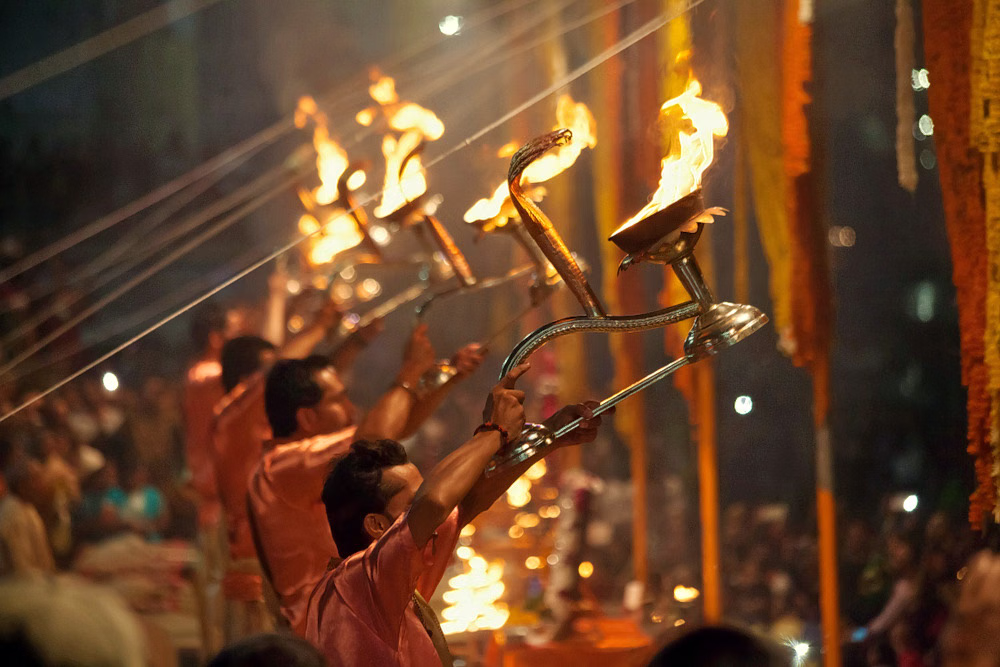
Frequented by college-goers and tourists alike, this ghat offers a peaceful escape from the hustle and bustle of Varanasi's chaotic lanes. Pilgrims bathe in the holy waters of River Assi and offer flowers to the Shivlinga before resting on the steps of the ghat.
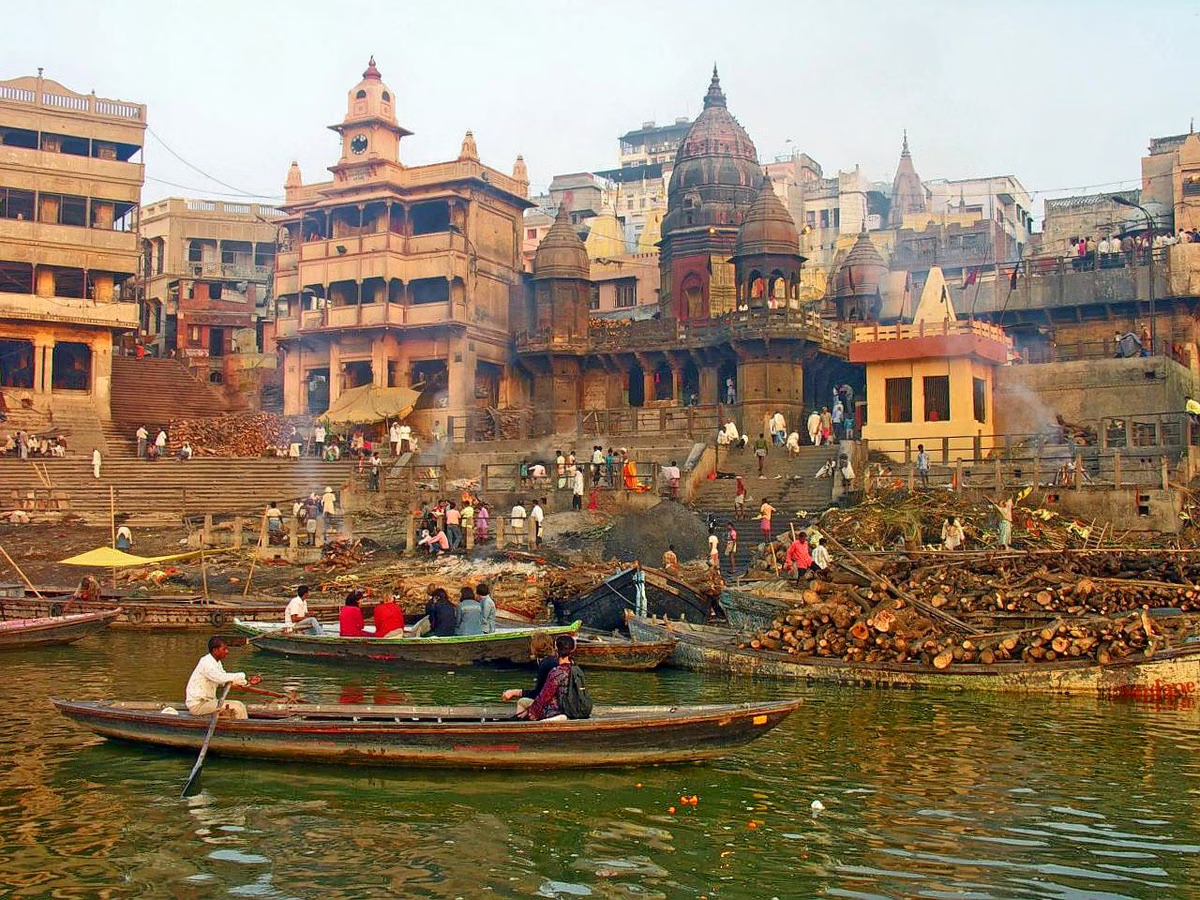
Many legends surround the etymology behind Manikarnika Ghat, the oldest riverfront and one of the most religious tourist attractions in Varanasi. Mentioned in many ancient scriptures and religious texts, Manikarnika ghat is said to be the place where Devi Sati set herself on fire and also the birthplace of the fearless queen.
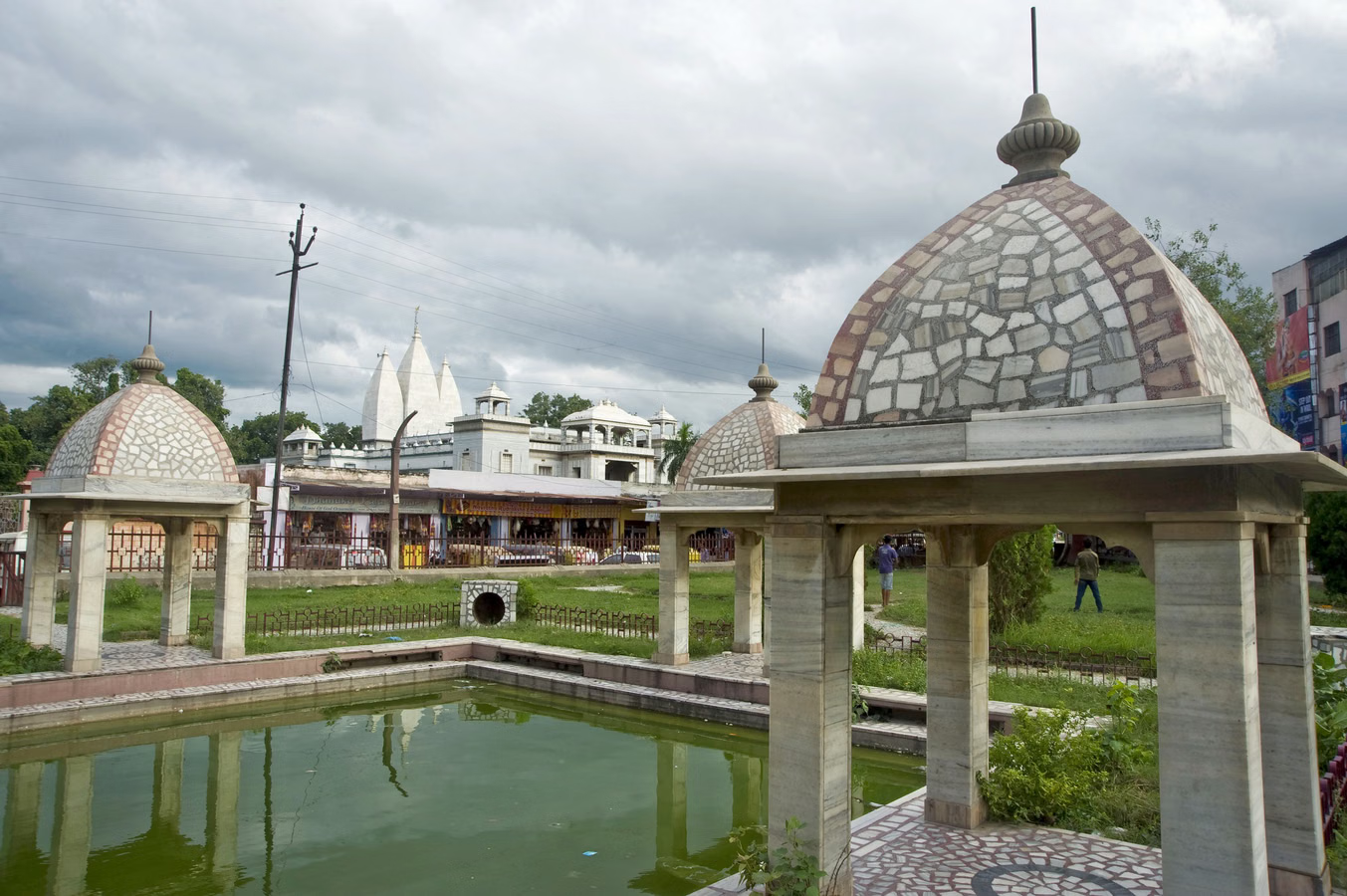
Pearly white facade greets the eyes as one walks through the lush green gardens of Tulsi Manas Temple. Constructed in 1964 by the Thakur Surekha Das family, the marble structure of this temple is renowned for its mesmerizing architecture. Believed to be the site where the ancient poet Tulsidas sat to pen down the holy epic of Ramcharitmanas, this temple is now one of the most revered religious places to visit in Varanasi.
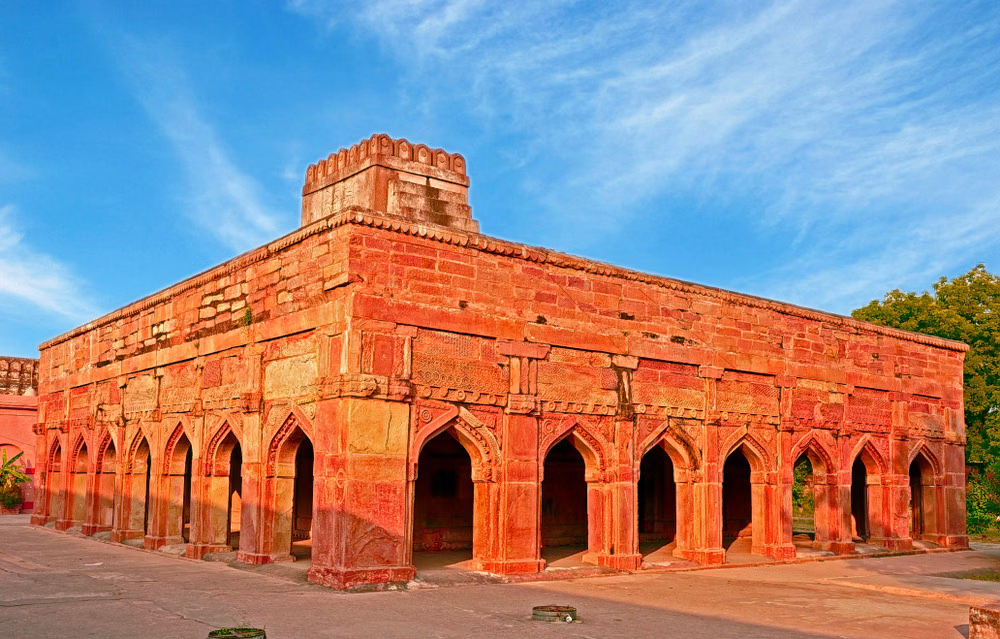
This is a small fort located on the little diversion between Varanasi and Prayagraj, and it has played a significant role in shaping the history of India. The fort is situated on the banks of river Ganga and is also called Tilismi Quila or Magical Fort because it was featured in the novel “Chandrakanta”.
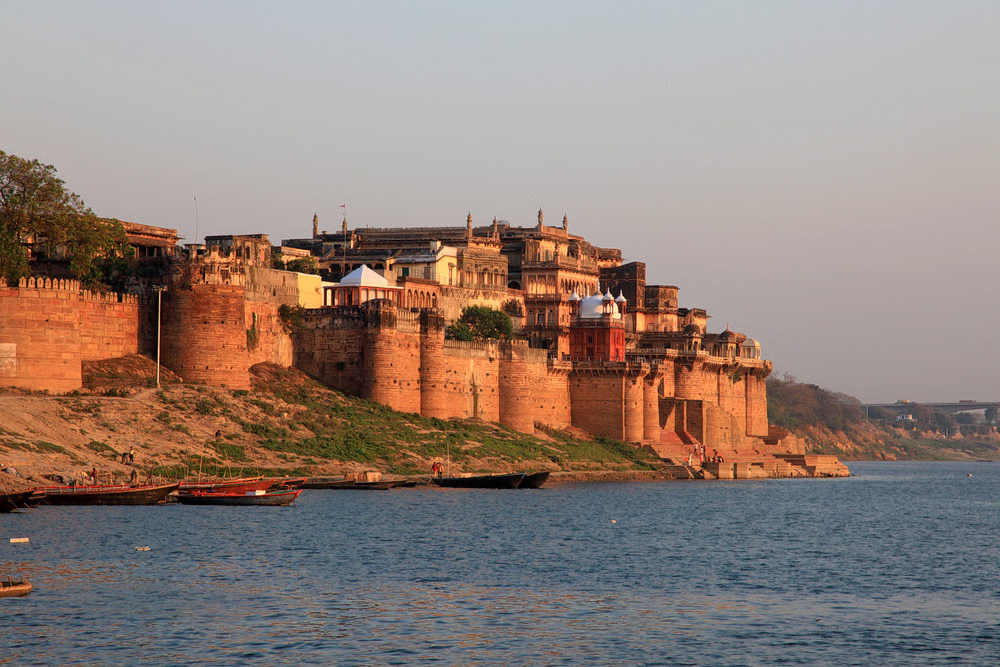
Resting near the quiet shores of River Ganges is the majestic historical monument of Ramnagar Fort. Chunar sandstone forms the foundation of this creamy colored structure, which was built as the residential fort of Raja Balwant Singh. Even today, it houses the present Maharaja of Varanasi, whose residential quarters are separated from the rest of the fort.